
To provide greater housing choice, affordability and to better meet the needs of the local community, we're planning for a mix of land sizes and housing types in all stages of the East Lismore development.
We need to carefully consider the site's sloping land and environmental constraints to determine what types of housing are suitable for the site and can be feasibly delivered.
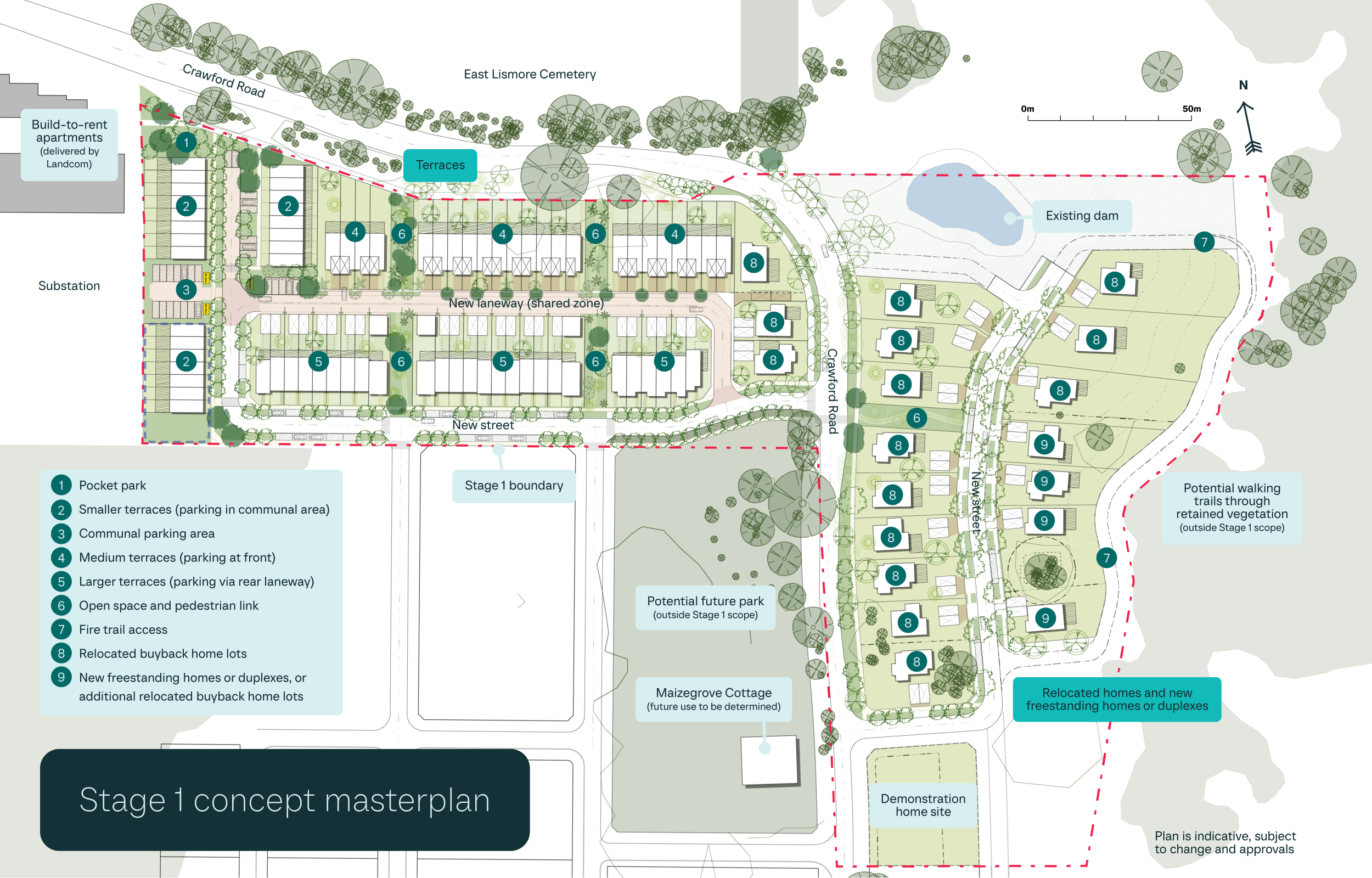
Stage 1 covers a 5-hectare area at the northern end of the site and could support around 100 homes by prioritising smaller, more affordable housing types.
To help finalise our Stage 1 plans and inform the overall site masterplan, we invited community and stakeholder feedback on our initial plans between 12 January and 16 February 2026.
Stage 1 plans
Our Stage 1 plans include:
- larger lots for further subdivision that can accommodate 70 to 80 terraces, with a mix of 1, 2, 3 and 4 bedrooms
- 19 standard lots for relocating suitable buyback homes or for new freestanding or semi-detached homes (duplexes)
- homes set back from flood prone and vegetated areas to retain habitat for local wildlife
- landscaping that celebrates and enhances the site’s natural setting
- a pocket park and small landscaped reserves to enhance neighbourhood connectivity
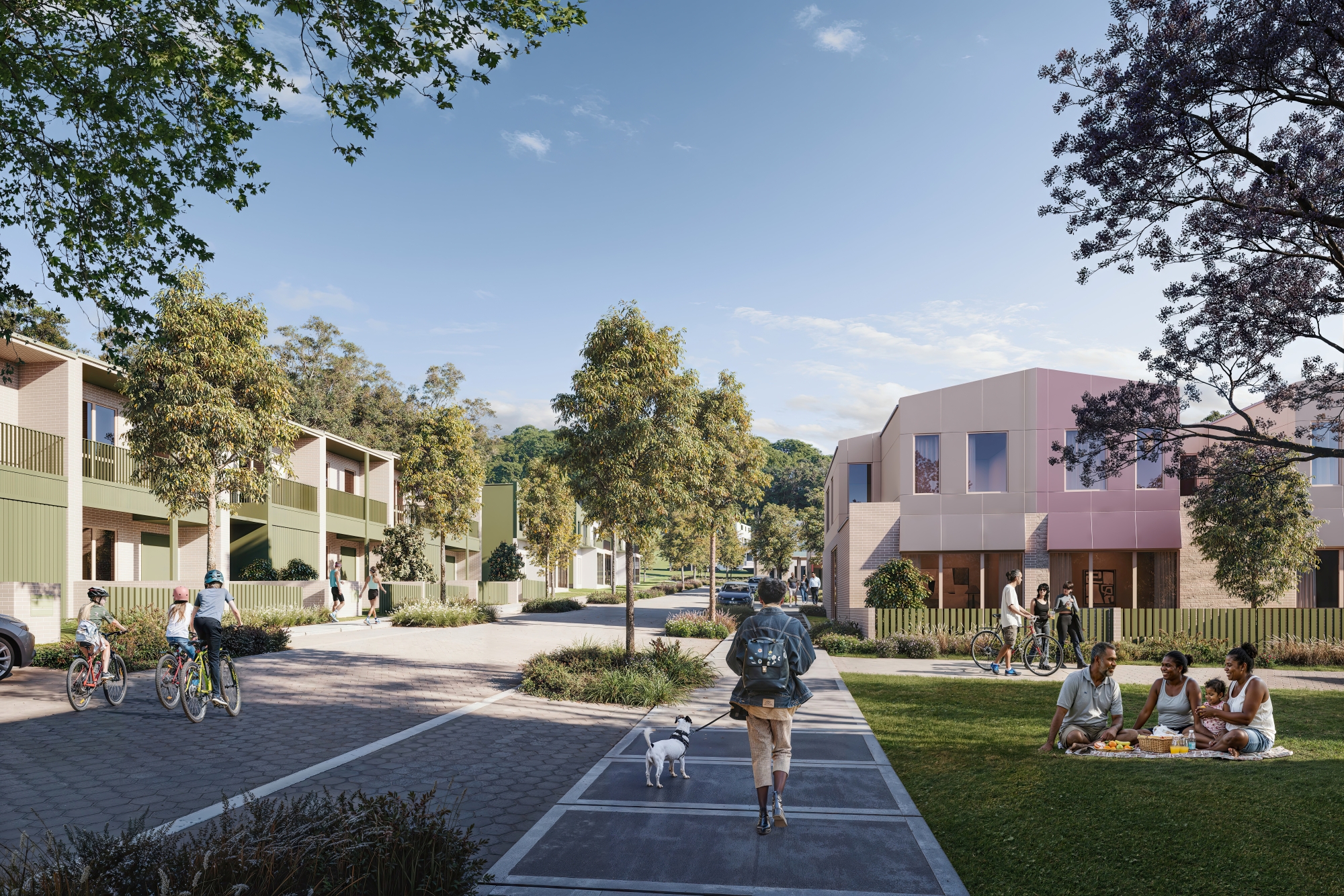
- leafy, slow-traffic streets that prioritise walking and cycling to support active, healthy lifestyles and provide easy connections to nearby destinations.
Image 1 of 3
Terraces
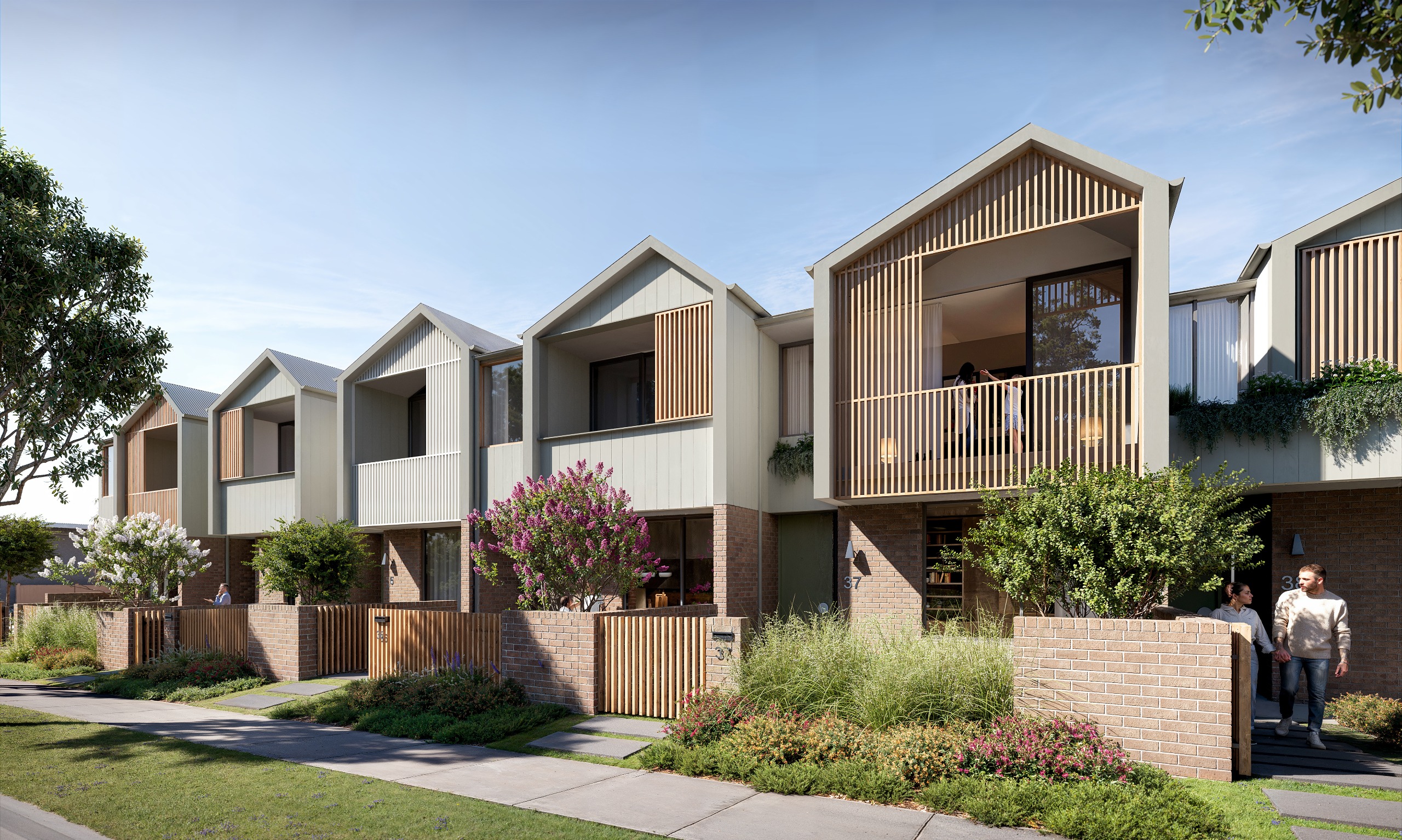
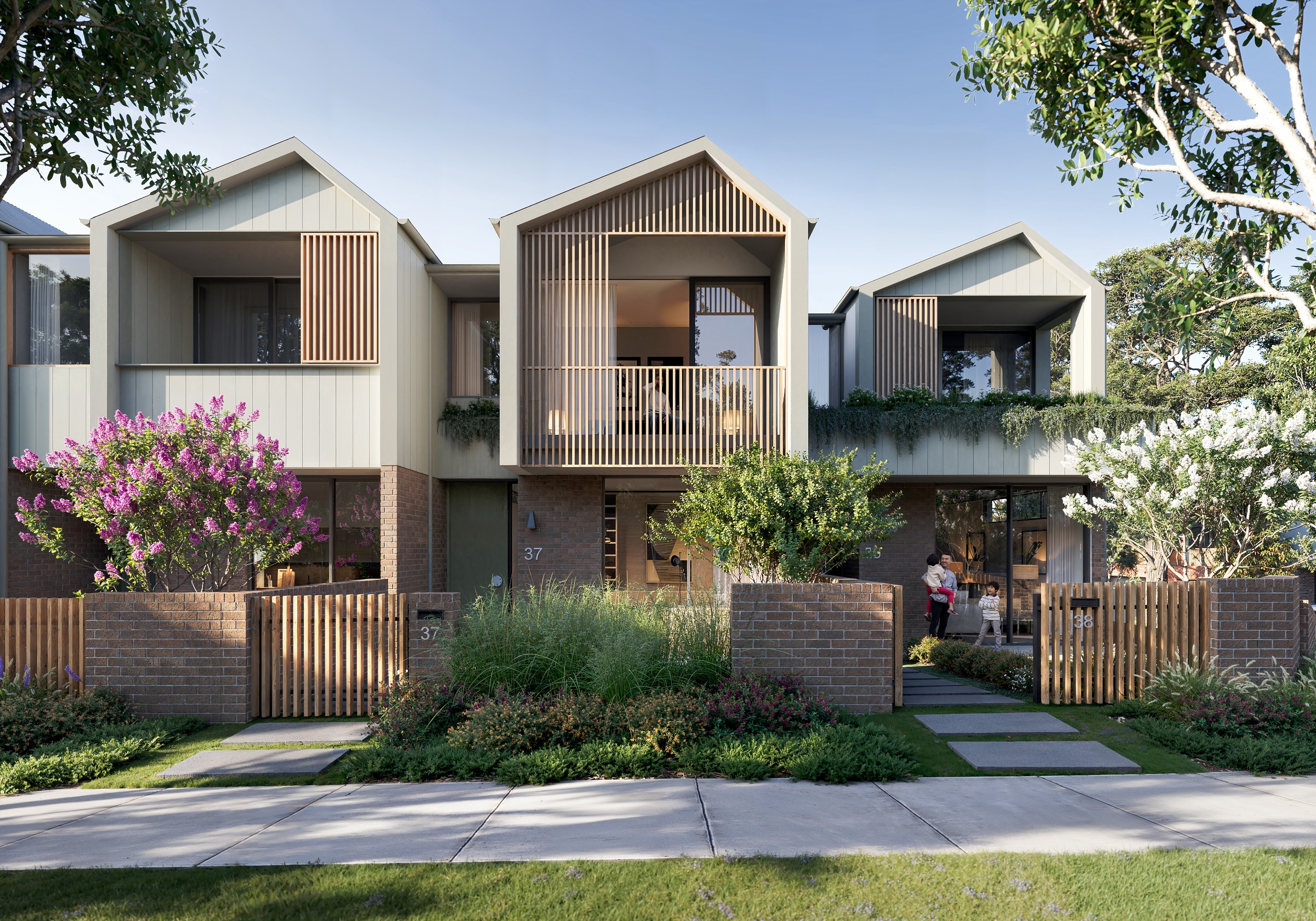
Terraces are a type of attached dwelling, with one or both side walls shared between the adjacent terrace home.
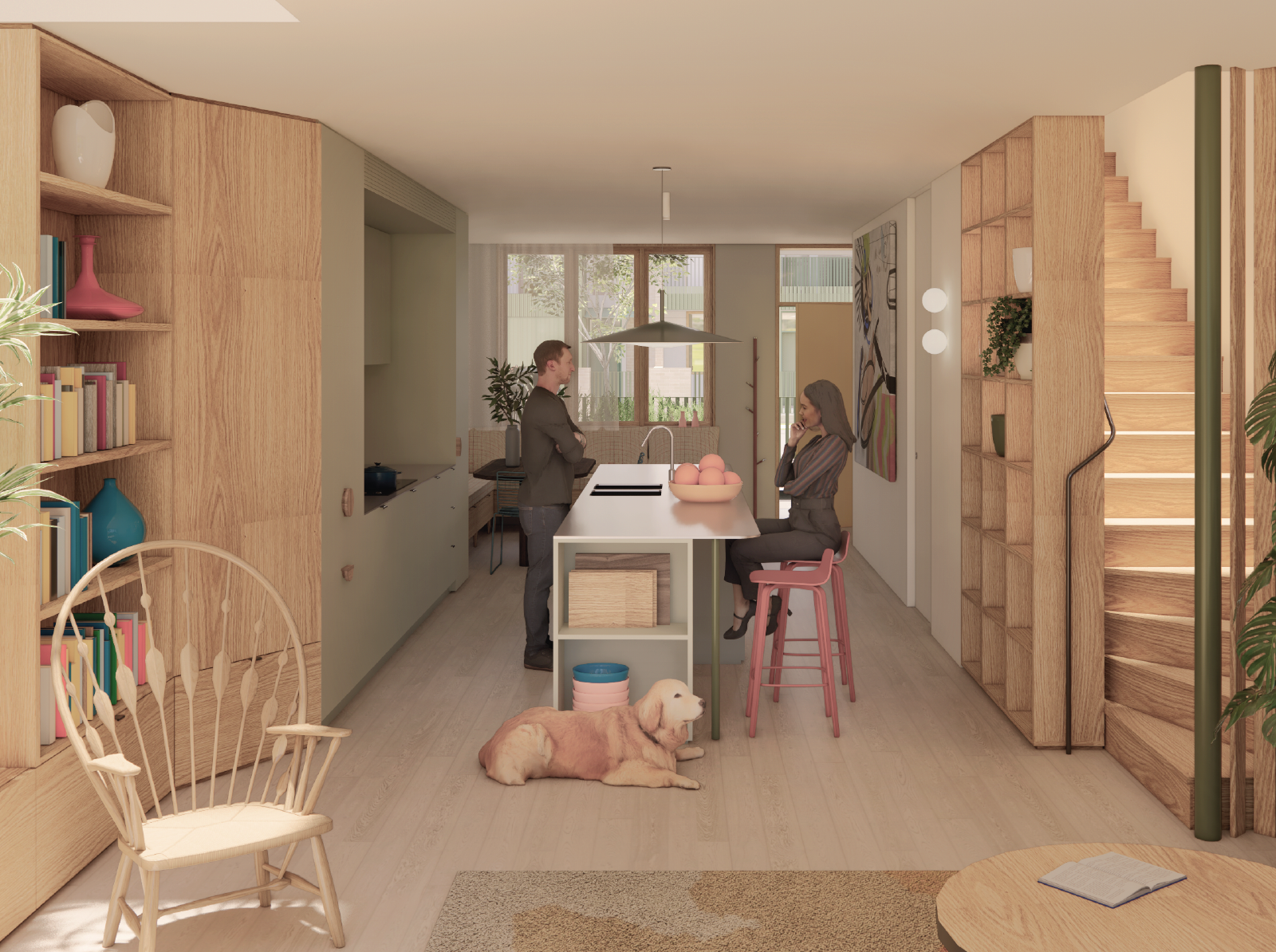
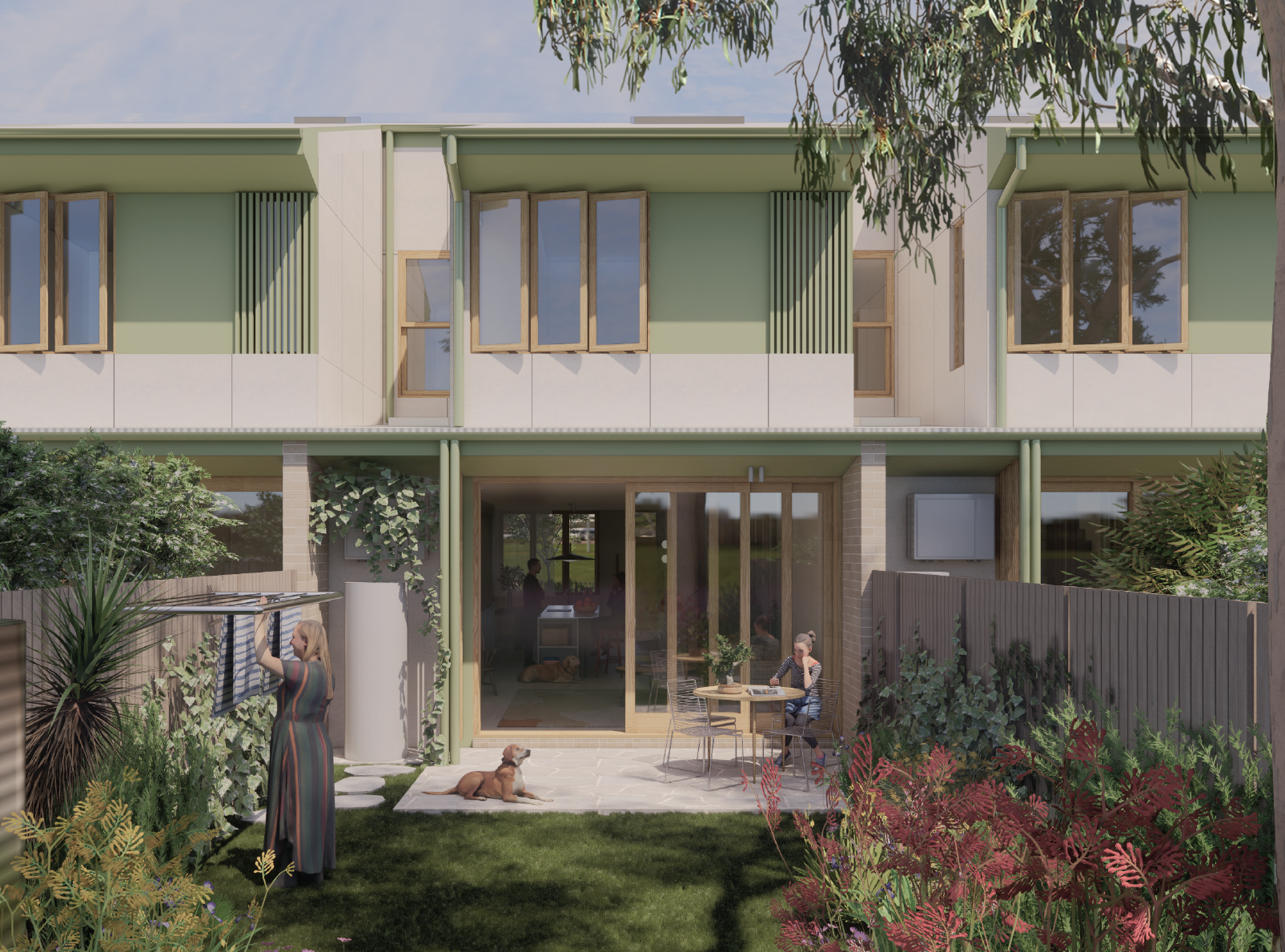
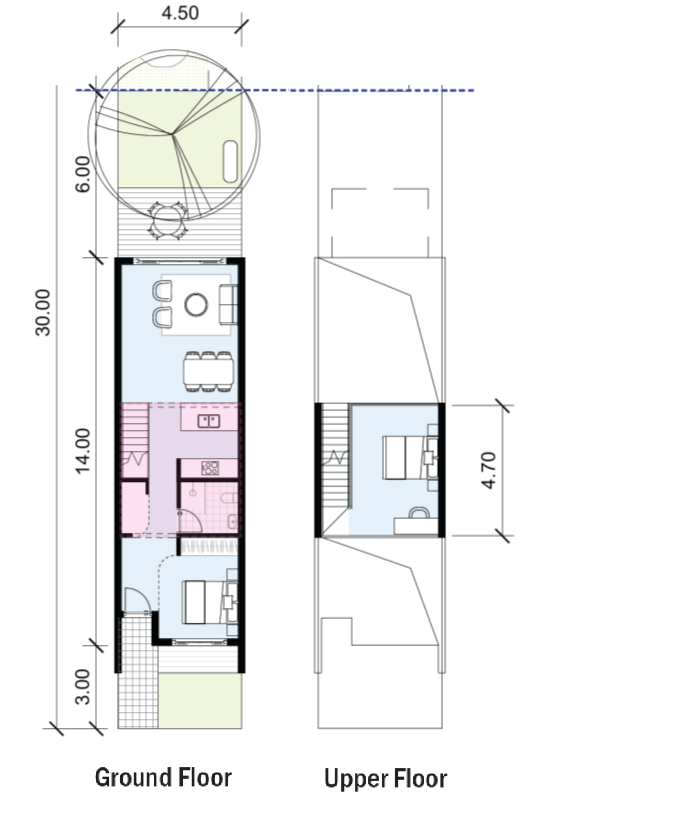
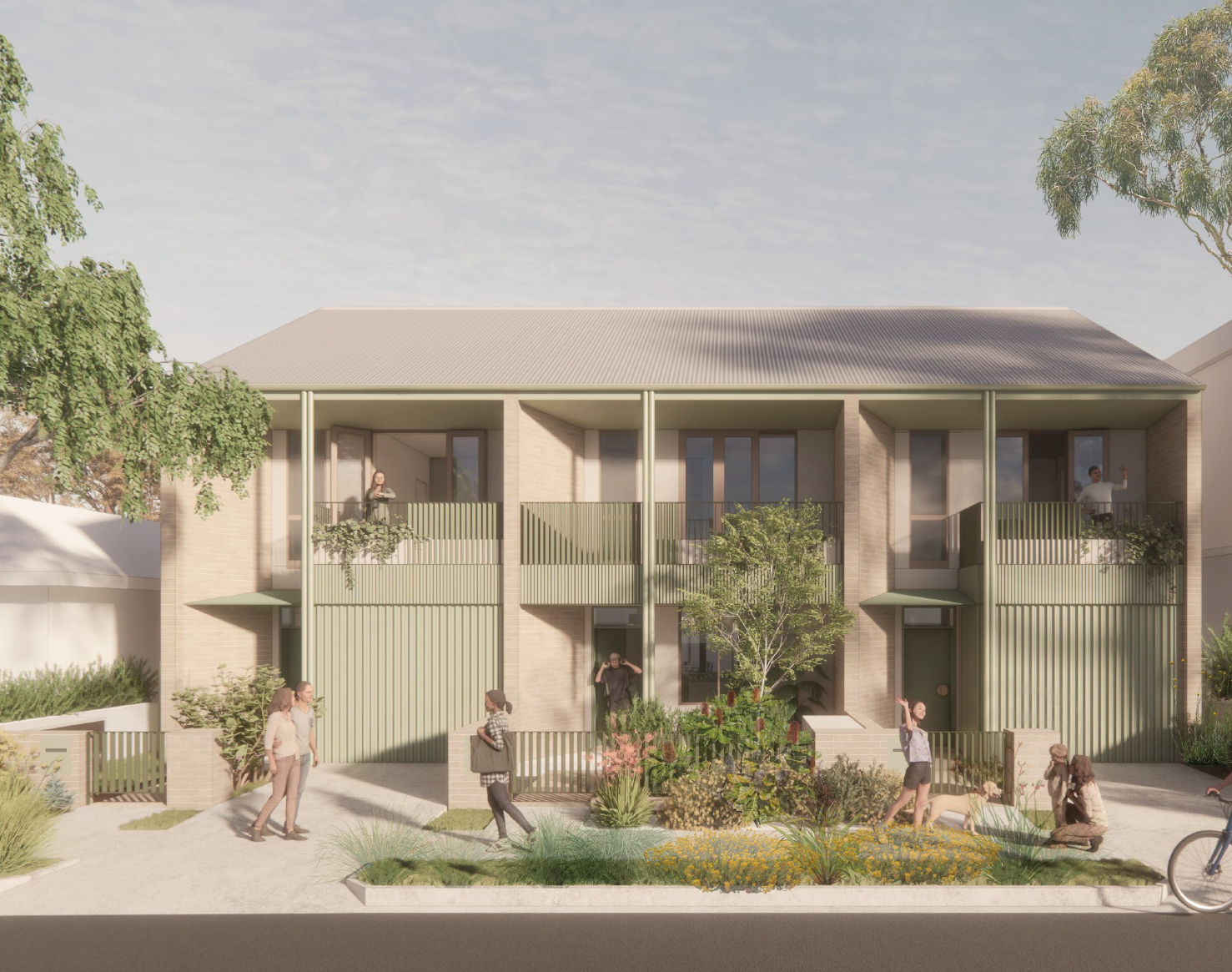
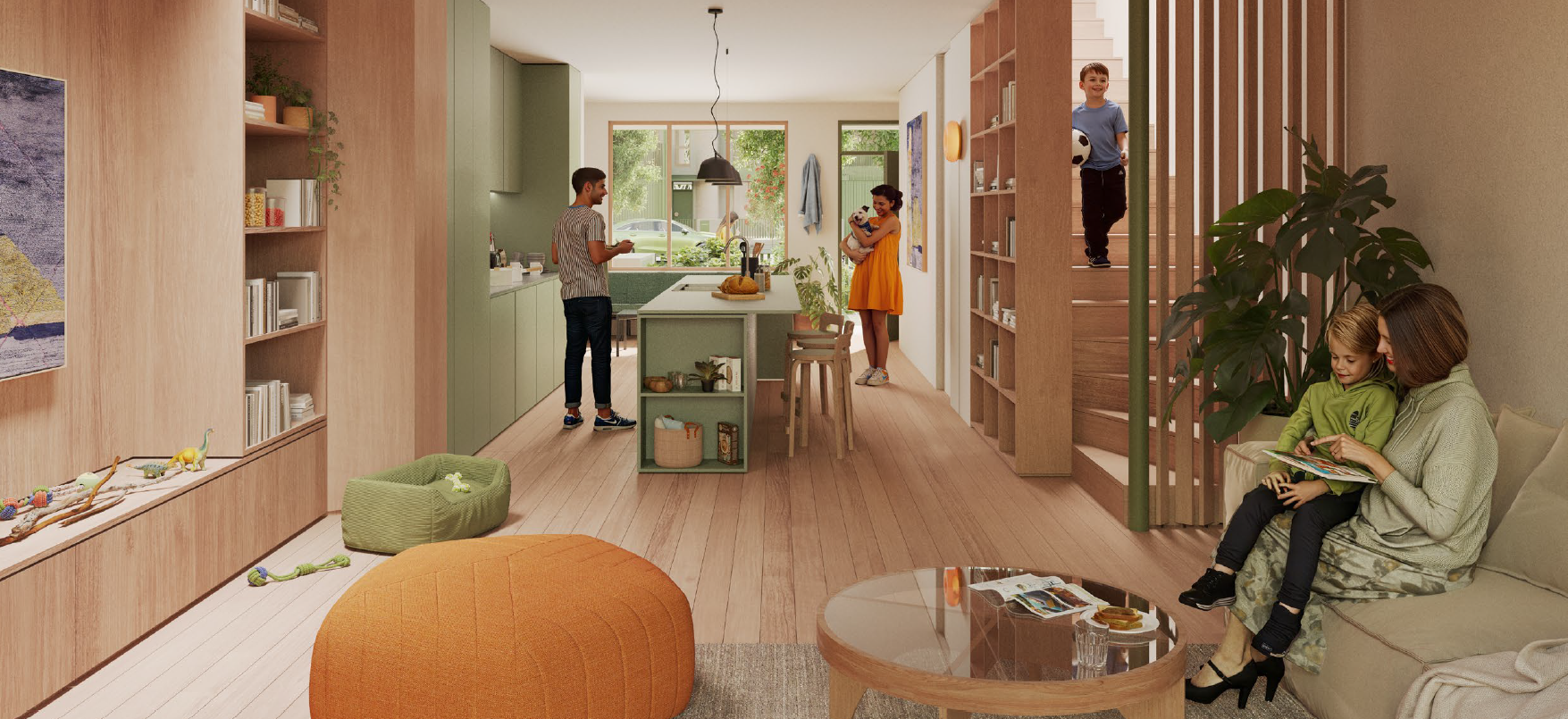
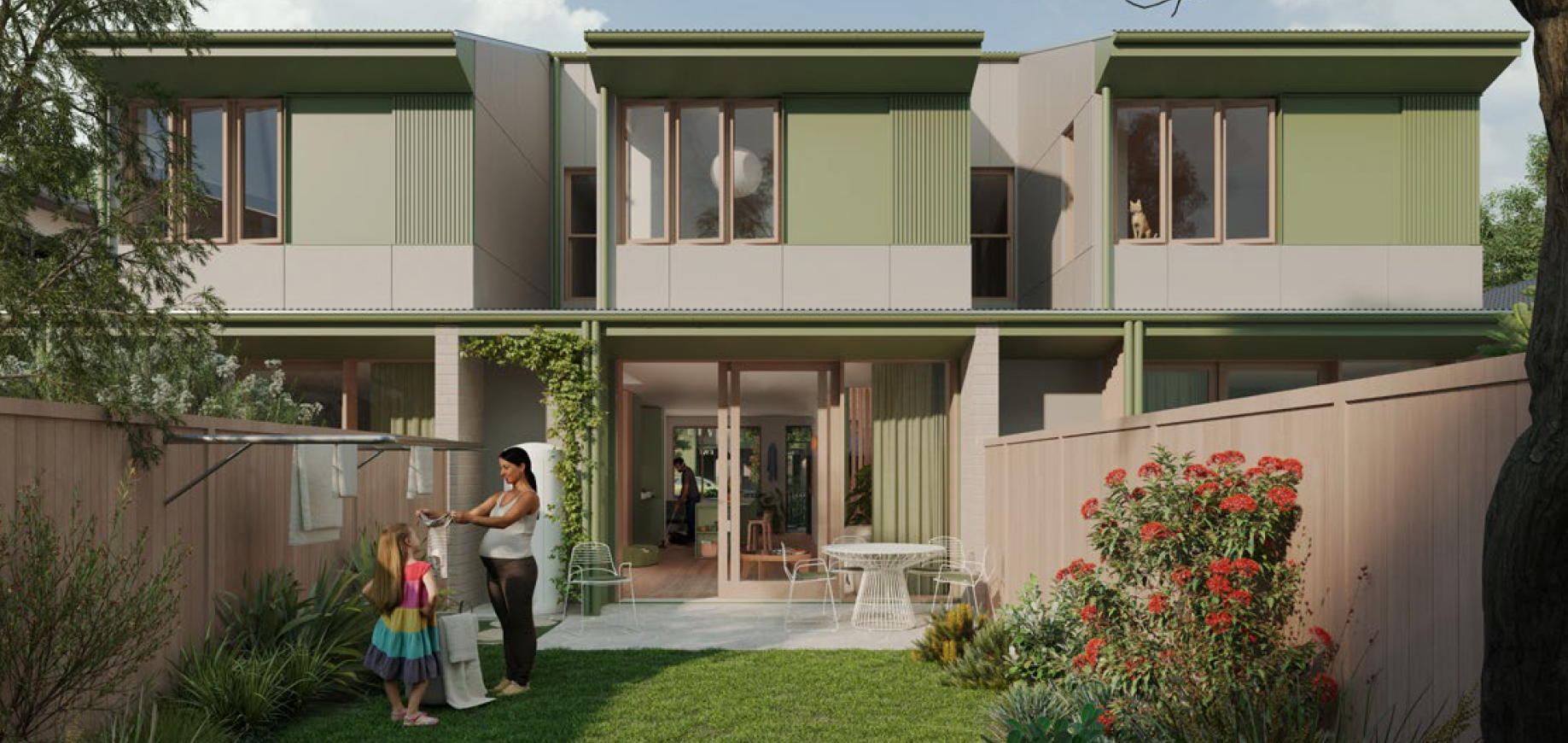
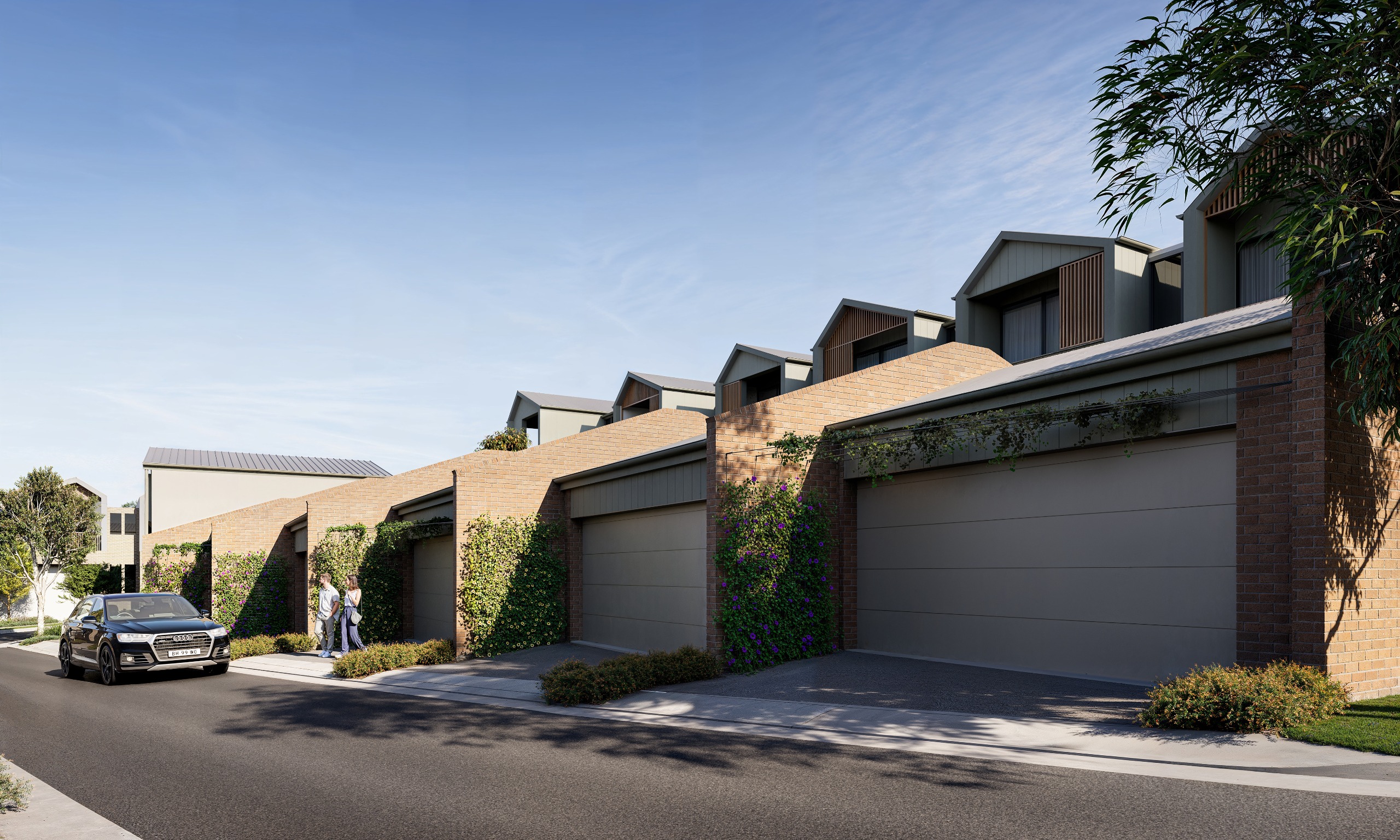
Stage 1 plans include larger lots (superlots) for further subdivision that can accommodate 70 to 80 terraces, including accessible single-storey options. Different bedroom, bathroom, parking and outdoor space configurations will suit different households' lifestyles, needs and budgets.
Proposed terrace options are summarised below and subject to further detailed design and approvals. Prices are indicative and listed as a guide only. Prices are subject to future market conditions at the time of sale and will vary depending on the land size and housing type.
| Option | Bedrooms and bathrooms | Parking | Typical lot sizes (indicative) | Price guide (indicative) | Key features / notes |
|---|---|---|---|---|---|
| Small terrace | 1 or 2
bedrooms | 1 space (located outside lot in communal parking area) | 1 storey (with option for mezzanine level bedroom) Lot dimensions: approx. 4.5m wide, 24m deep Lot size: 100-110sqm Home size: 66-82sqm Backyard size: approx. 30sqm | $400,000 - $450,000 | Compact
living option for smaller households (e.g. singles, couples). Additional mezzanine level bedroom provides space for household members that need separate bedrooms, a nursery, study or visiting family or friends. Locating car
space outside the lot optimises land area for larger living spaces and backyard.
|
| Medium terrace | 2 or 3
bedrooms | 2
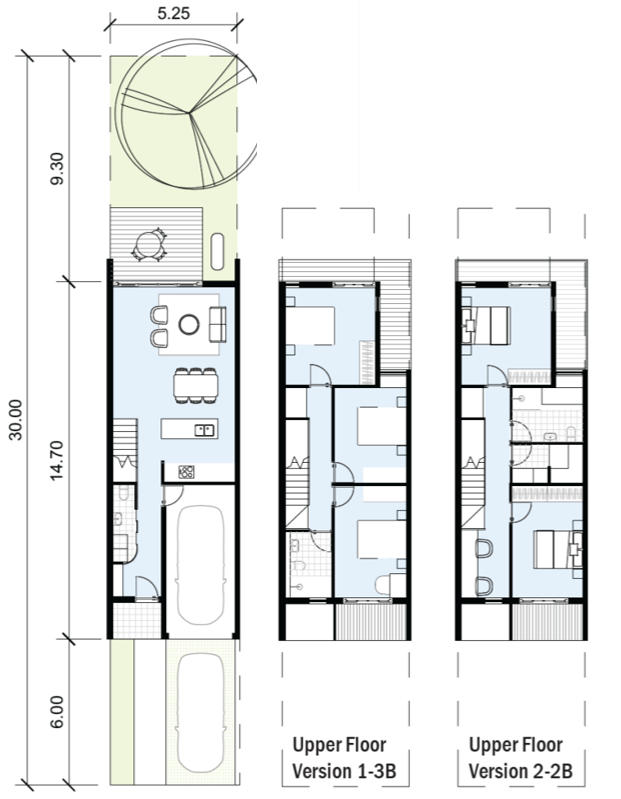
spaces (1 garage + 1 driveway at front) | 2 storeys Lot dimensions: approx. 5.25m wide, 30m deep Lot size: approx. 160sqm Home size: approx. 130sqm Backyard size: approx. 50sqm | $500,000 - $600,000 | Compact
living option for moderate-size households (e.g. families with children, housemates). |
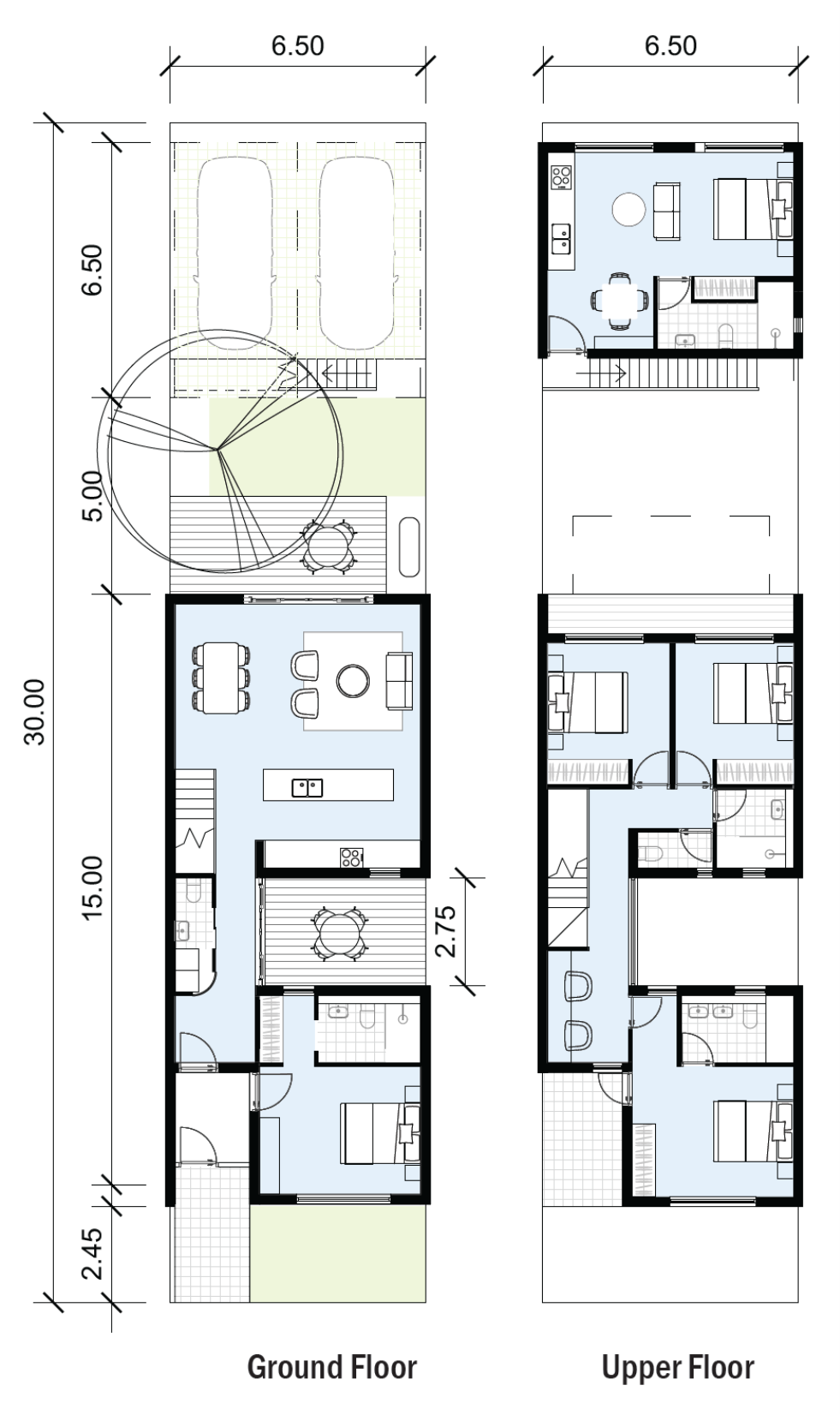
| Large terrace | 3 to 4 bedrooms 3.5 bathrooms Option for studio above rear garage (+1 bed and +1 bathroom) | 2 spaces (garage or carport at rear, accessed via laneway) | 2 storeys Lot dimensions: approx. 6.5m wide, 30m deep Lot size: approx. 195sqm Home size: approx. 170sqm Backyard size: approx. 33sqm | $650,000 - $750,000 | Suitable for
moderate-sized and larger households (e.g. families with 2 to 3 children or multiple generations who live together). Options for a self-contained studio above rear garage and/or using the ground-floor bedroom provide independent living for household members (e.g. adult children or grandparents). Rear laneway parking access enhances street appeal. |
Image 1 of 11
Duplexes
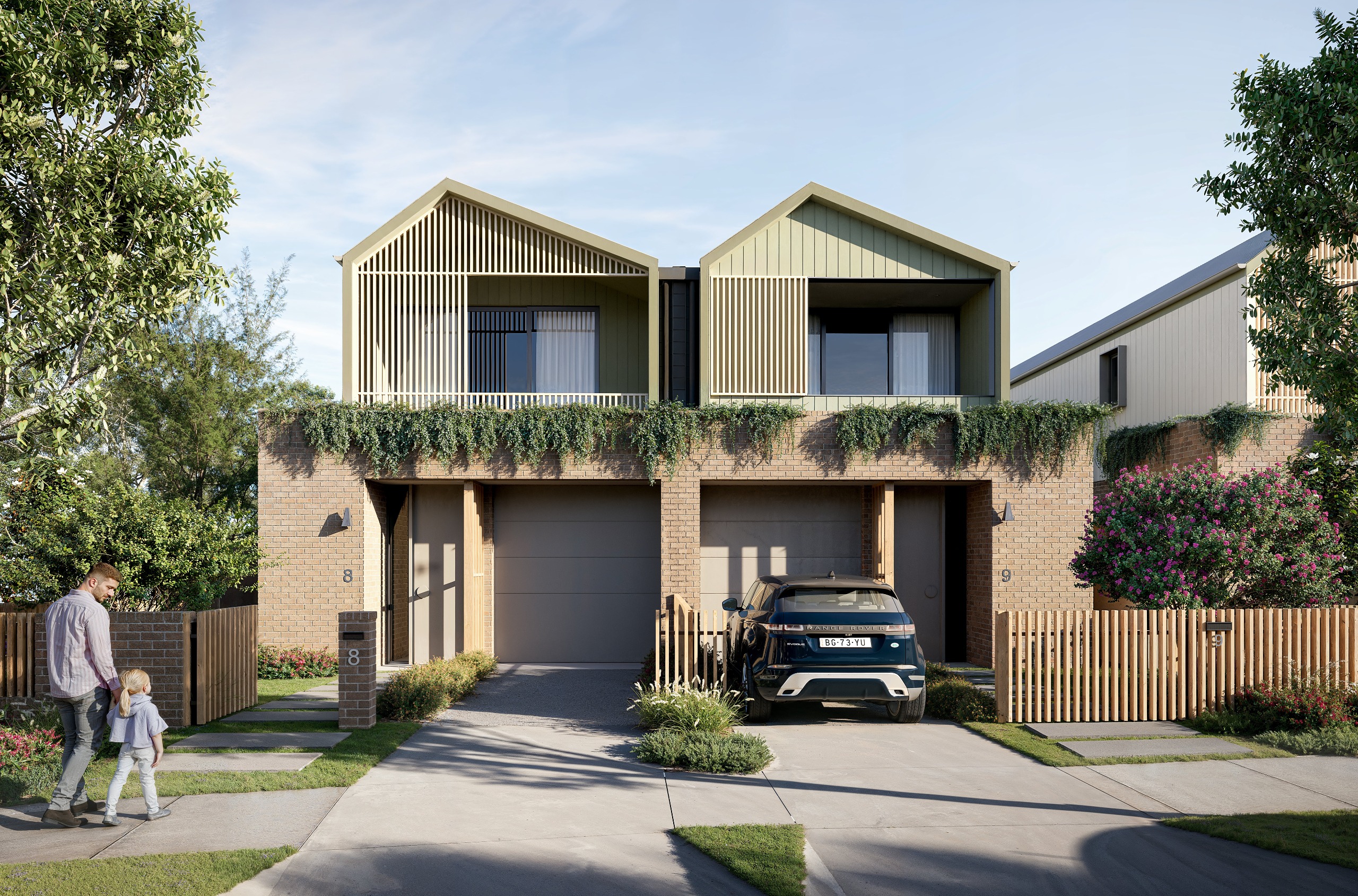
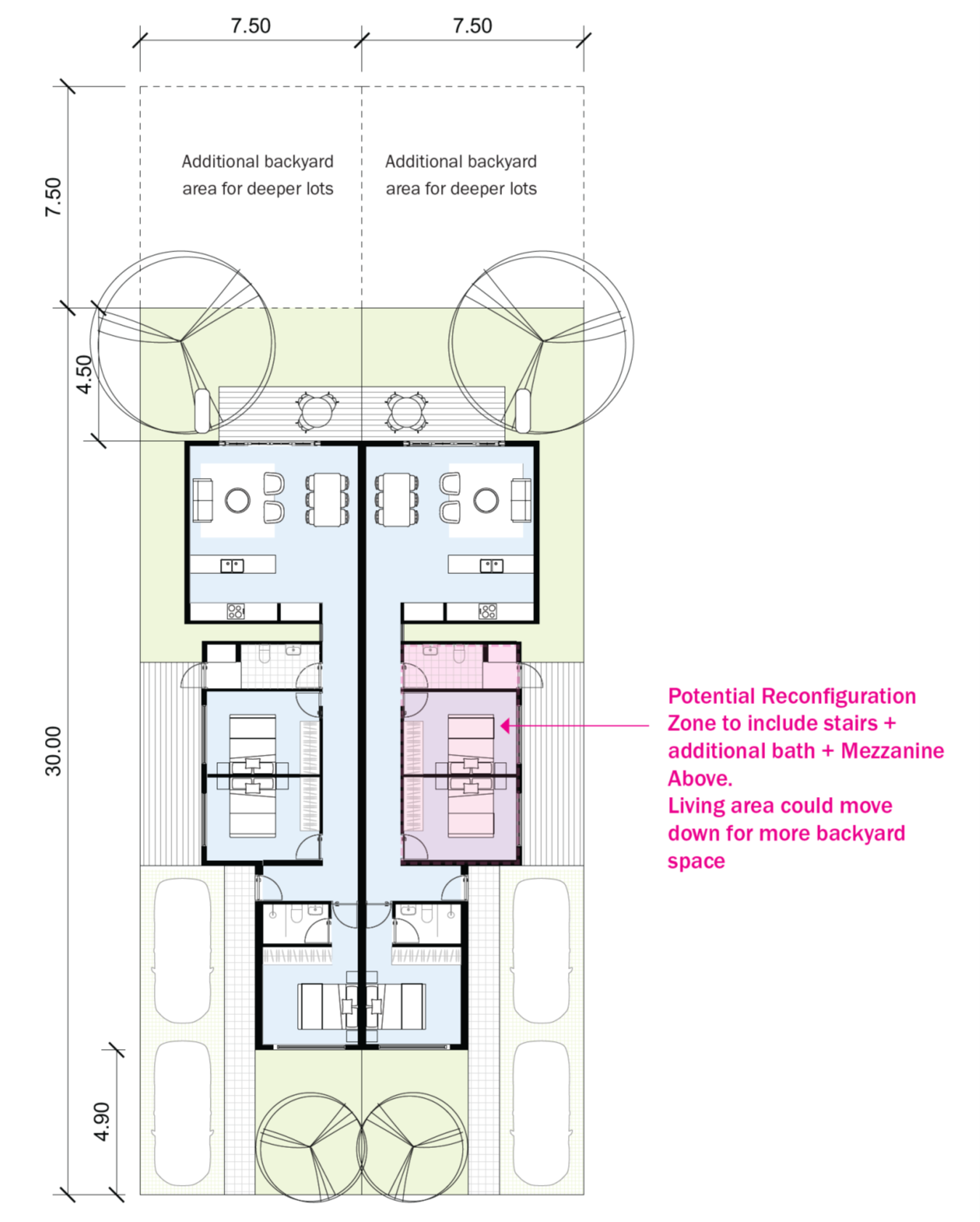
Semi-detached homes (duplexes) share one side wall with an adjacent home. They're designed to face the street and optimise land use. As building costs are split between two dwellings, they can be a more affordable option for moderate-size households than typical freestanding homes on larger lots.
Stage 1 plans include 4 lots on the eastern hillside, providing good solar access and views to the west, that could become up to 8 duplexes. Alternatively these lots could be sold for new freestanding homes or relocating additional suitable buyback homes from flood-affected areas. The housing types for these lots will be confirmed as planning progresses.
Proposed duplex options are summarised below and subject to further detailed design and approvals. Prices are indicative and listed as a guide only. Prices are subject to future market conditions at the time of sale and will vary depending on the land size and housing type.
| Option | Bedrooms and bathrooms | Parking | Size (indicative) | Price guide (indicative) |
|---|---|---|---|---|
| Standard | 3 bedrooms 2 bathrooms | 2 spaces (driveway at front) | 1 storey Lot dimensions: approx. 7.5m wide, 30m deep Lot size: approx. 225sqm Home size: approx. 110sqm Backyard size: approx. 35sqm | $580,000 - $630,000 |
| Deeper lot (larger backyard) | 3 bedrooms 2 bathrooms | 2 spaces (driveway at front) | 1 storey Lot dimensions: approx. 7.5m wide, 37.5m deep Lot size: approx. 280sqm Home size: approx. 110sqm Backyard size: approx. 90sqm | $630,000 - $700,000 |
Image 1 of 4
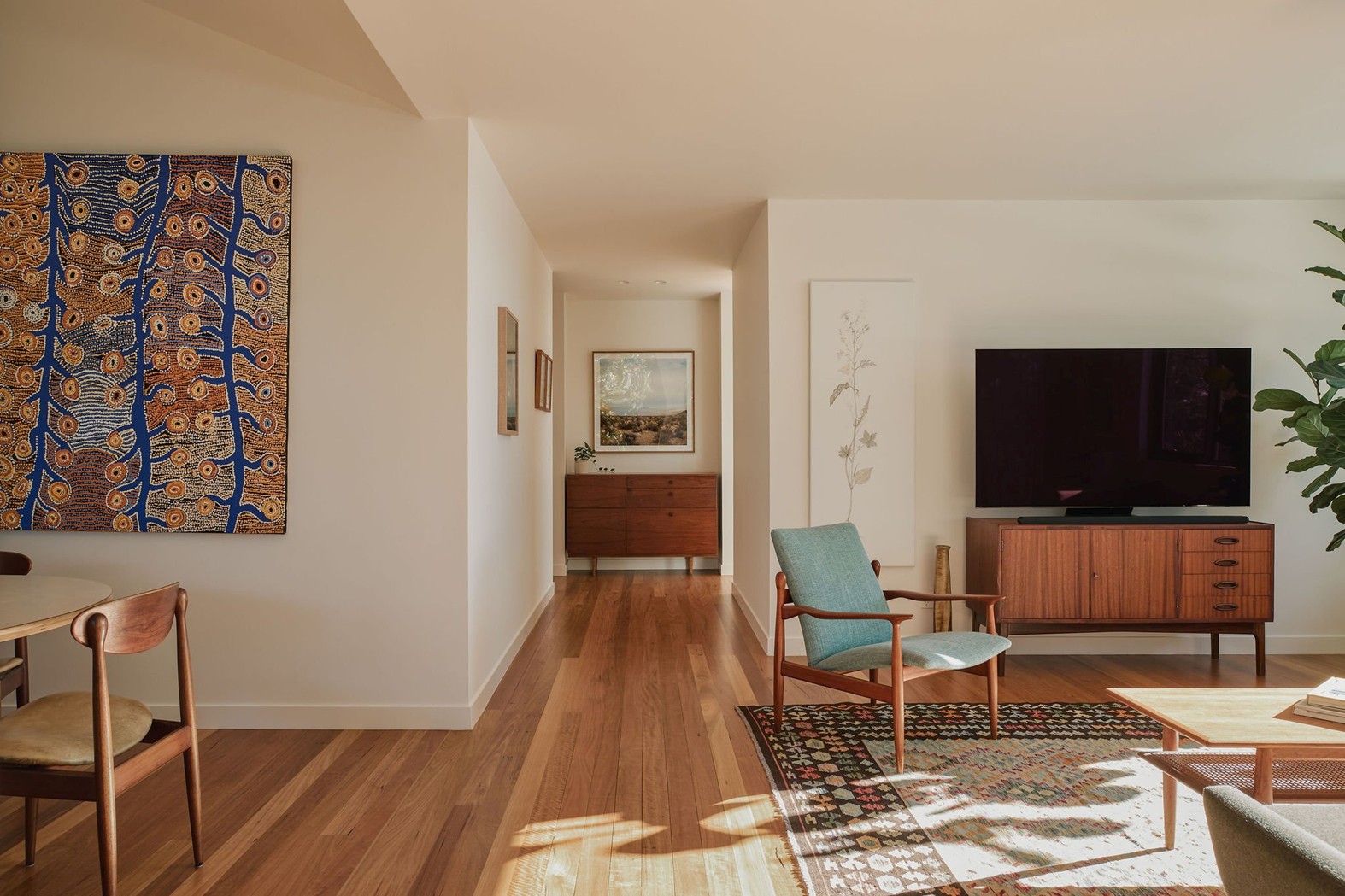
Freestanding homes
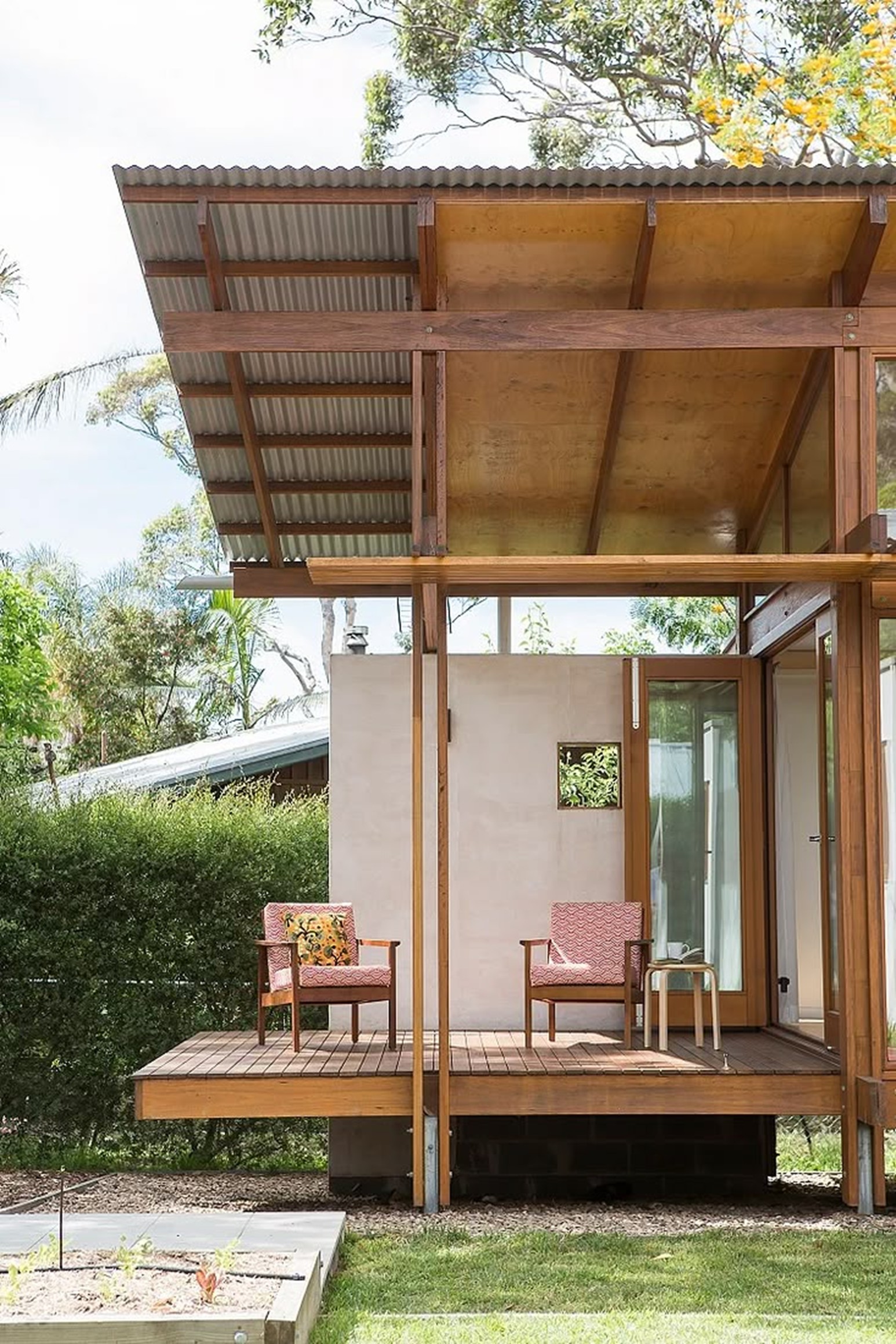
Freestanding homes are typical single-family dwellings that don't share walls with neighbouring homes, offering complete separation and private outdoor space on all sides.
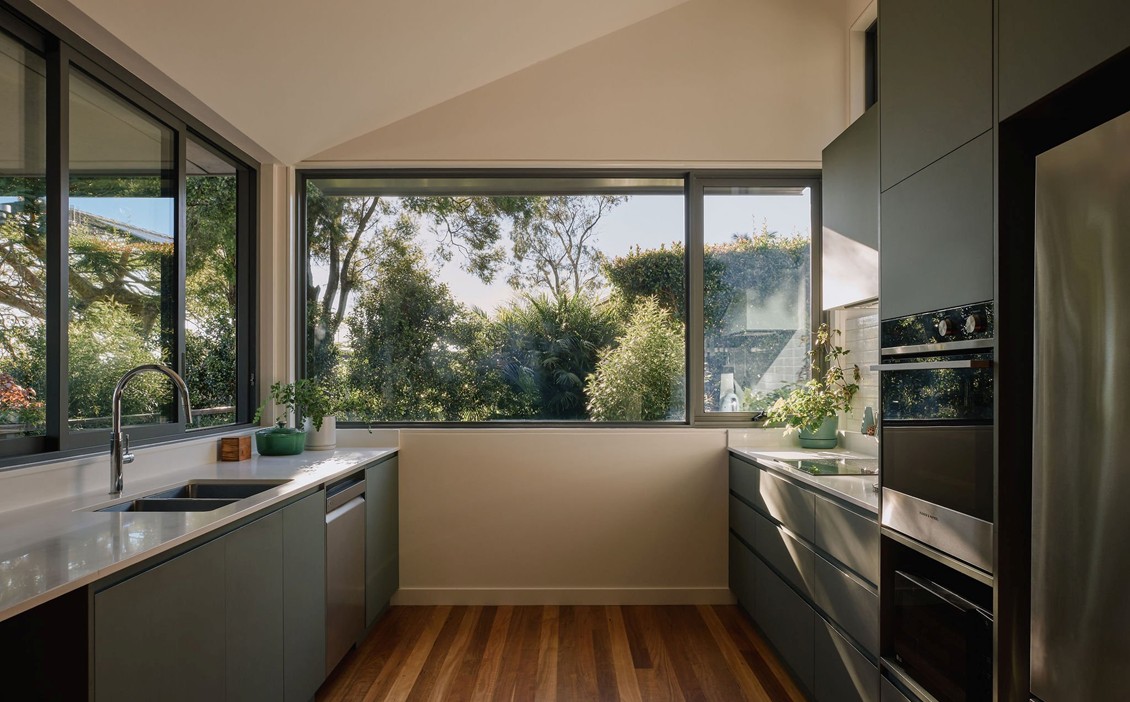
While proposed new freestanding homes will be generally smaller that what is usually available through home builders, they will be more affordable and will be well designed to provide ample privacy, solar access, cross ventilation and generous outdoor space, built with sturdy, long lasting materials.
Stage 1 plans include 4 lots on the eastern hillside, providing good solar access and views to the west, that could be sold for new freestanding or semi-detached homes, or relocating additional suitable buyback homes from flood-affected areas. The housing types for these lots will be confirmed as planning progresses.
Freestanding home options are summarised below and subject to further detailed design and approvals. Prices are indicative and listed as a guide only. Prices are subject to future market conditions at the time of sale and will vary depending on the land size and housing type.
| Option | Bedrooms and bathrooms | Parking | Size (indicative) | Price guide (indicative) |
|---|---|---|---|---|
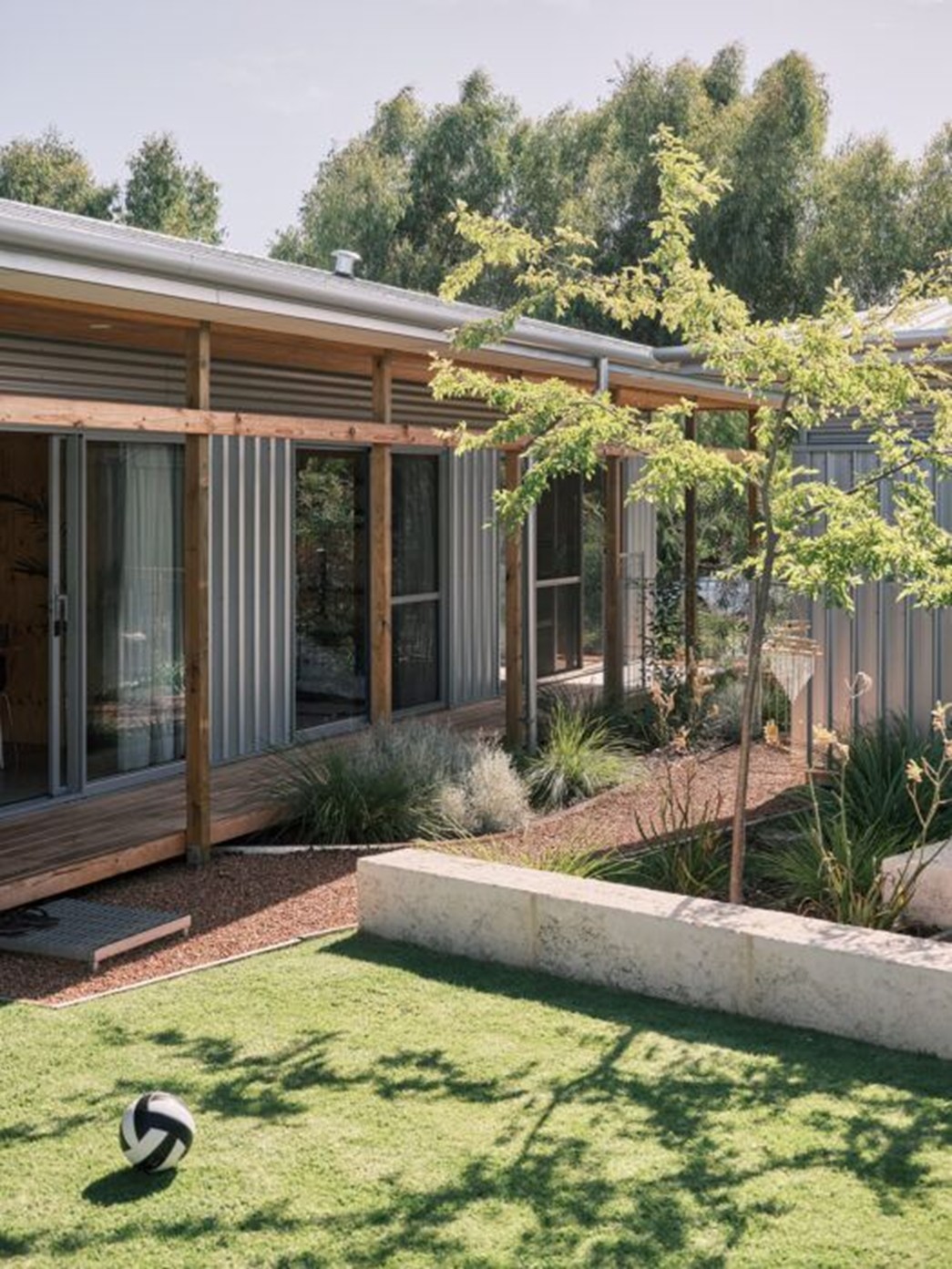
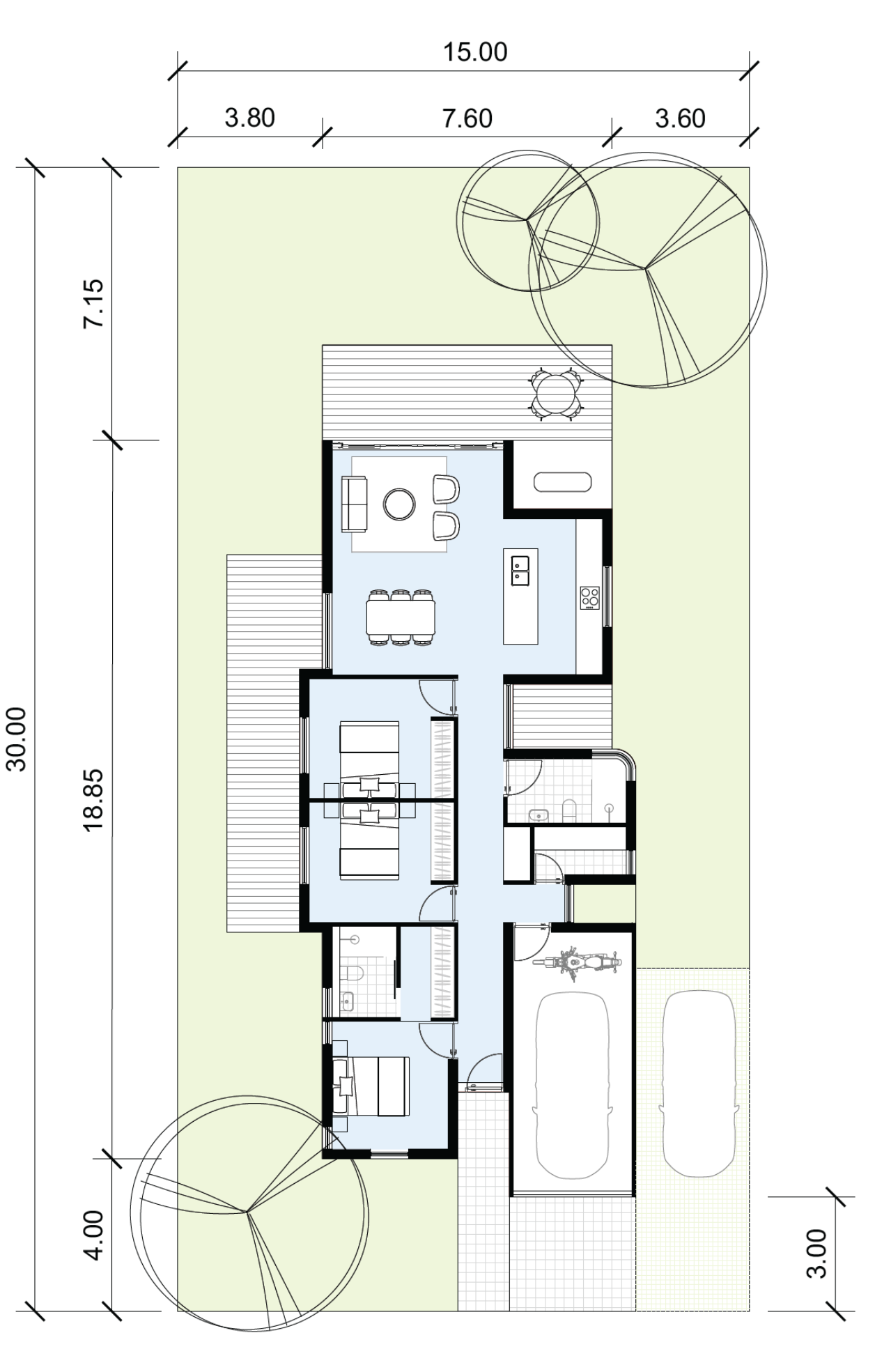
| Standard | 3 bedrooms 2 bathrooms | 2 spaces (1 garage + 1 driveway at front) | 1 storey Lot dimensions: approx. 15m wide, 30m deep Lot size: approx. 450sqm Home size: approx. 144sqm Private outdoor space: approx. 200sqm | Land only: $300,000+ House only: $420,000+ Total (land and house): $720,000 - $780,000 |
| Deeper lot (larger backyard) | 3 bedrooms 2 bathrooms | 2 spaces (1 garage + 1 driveway at front) | 1 storey Lot dimensions: approx. 16m wide, 37m deep Lot size: approx. 600sqm Home size: approx. 144sqm Private outdoor space: approx. 300sqm | Land only: $390,000+ House only: $430,000+ Total (land and house): $820,000 - $850,000 |
Image 1 of 4
Relocated buyback houses
Stage 1 plans include 15 standard lots for relocating suitable buyback homes from flood-affected areas, plus an additional 4 lots that could be sold for relocating suitable buyback homes or for new freestanding or semi-detached homes (duplexes). This is an increase from 10 lots for buyback home relocations proposed in earlier plans, with the housing types for the additional 4 lots to be confirmed as planning progresses.
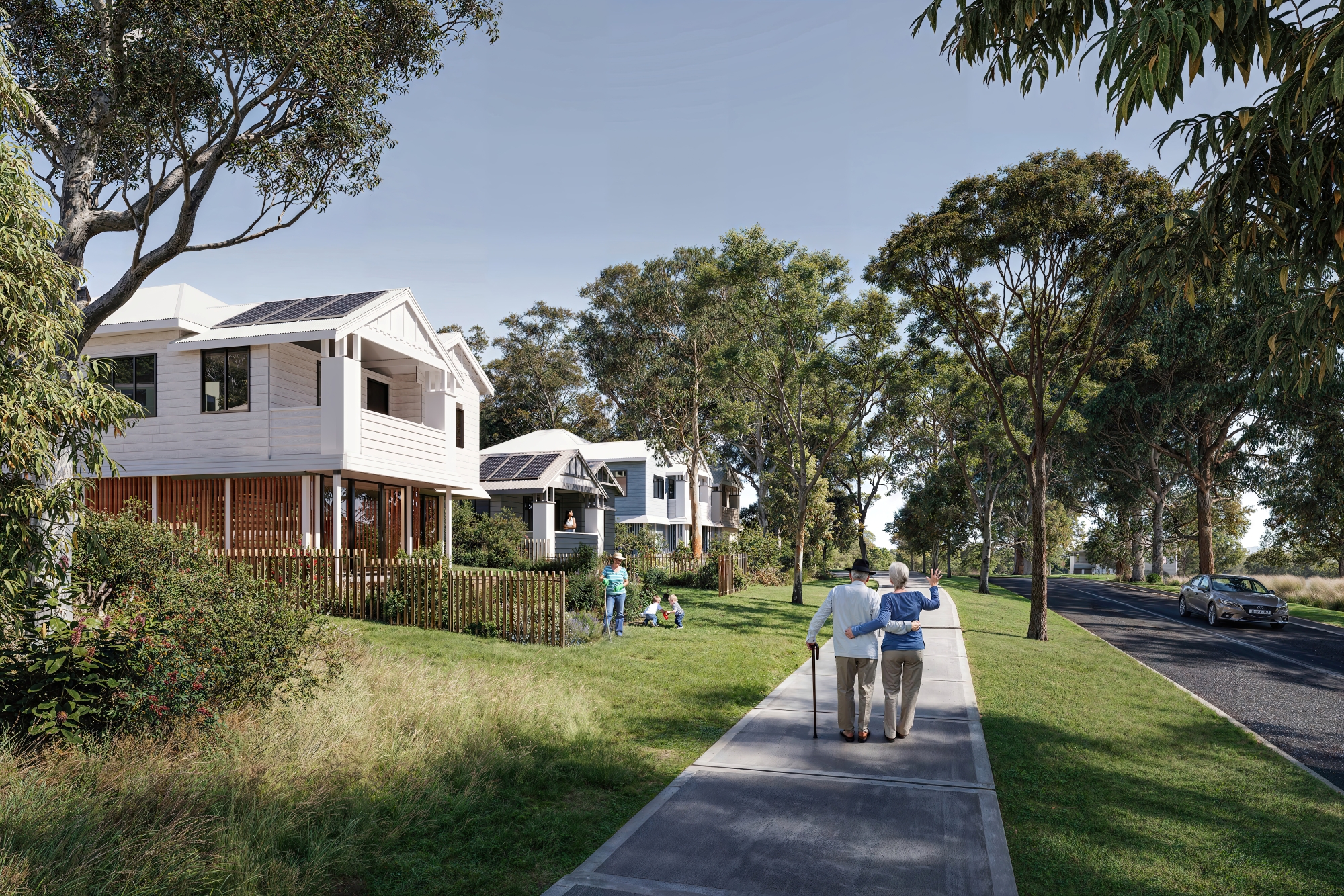
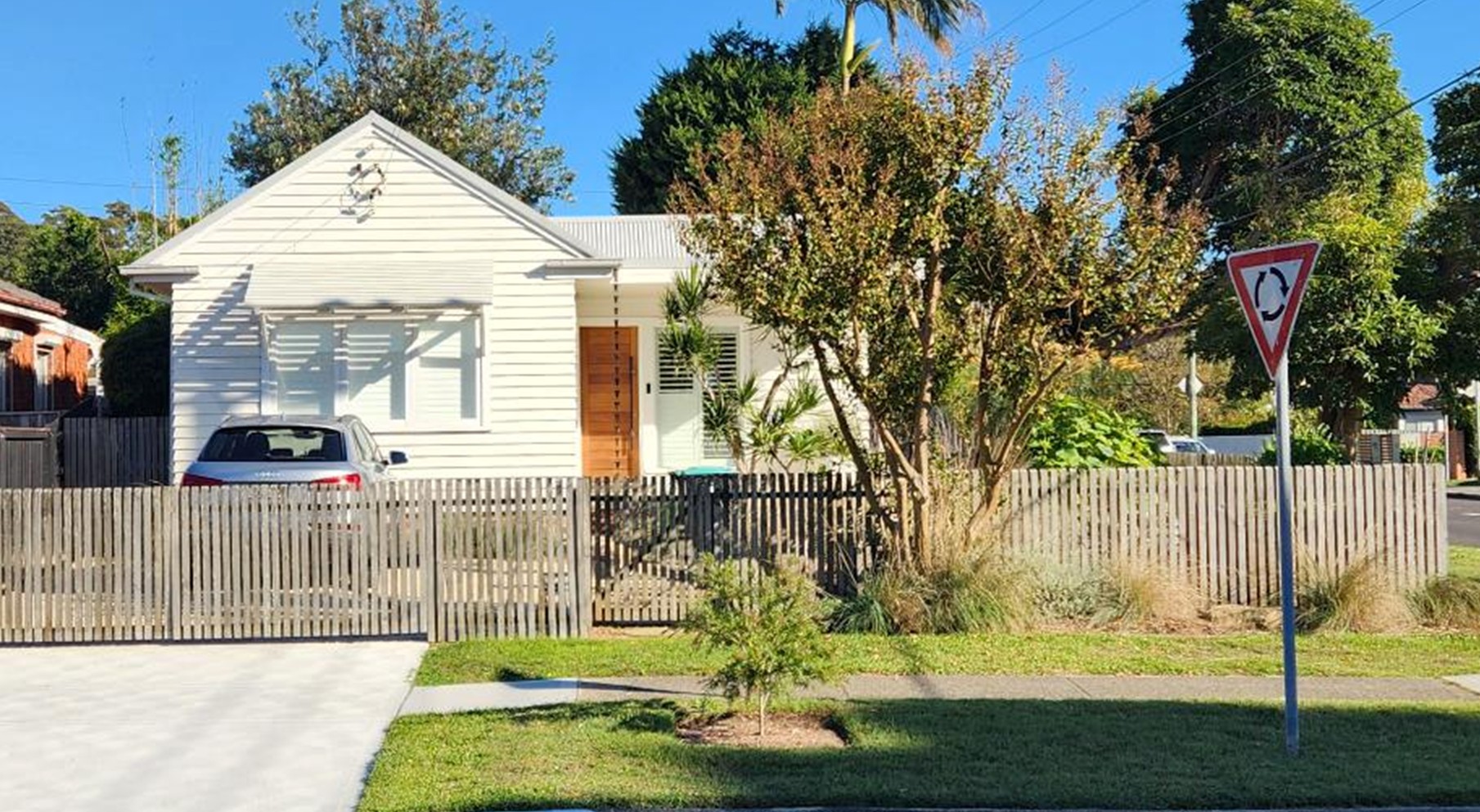
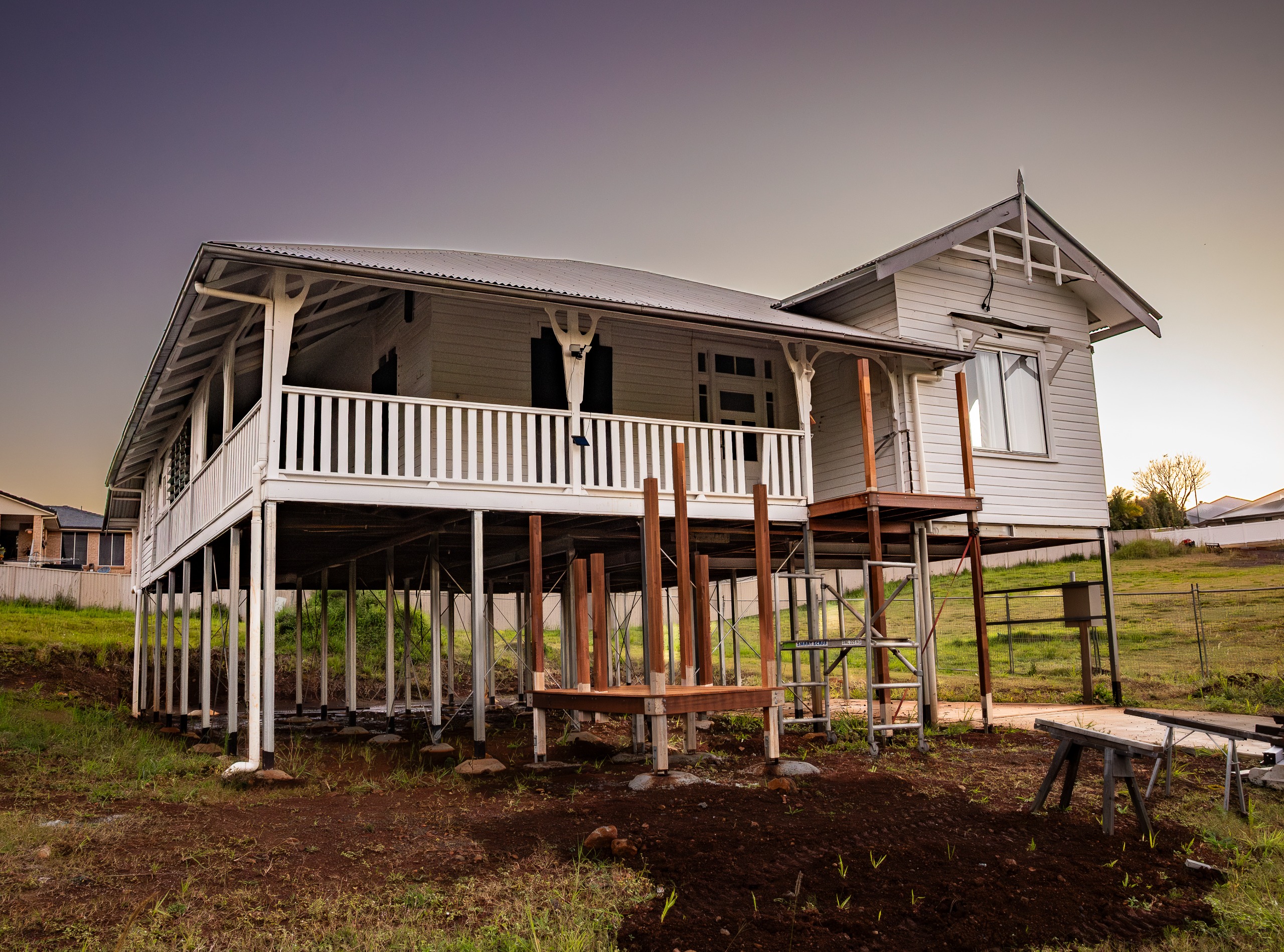
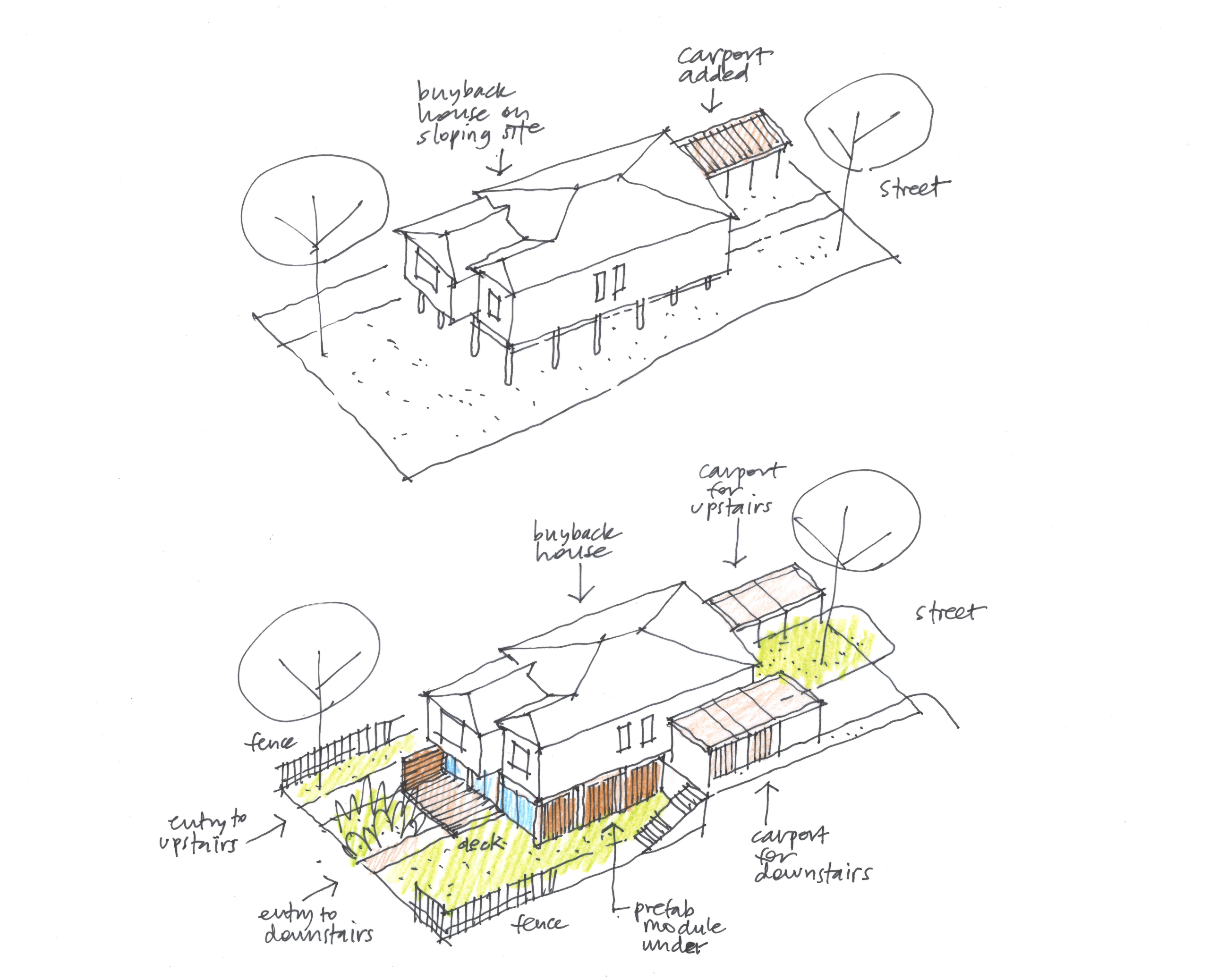
Relocating and repurposing existing homes can be more sustainable than building a new home, while also contributing to neighbourhood character. Relocated homes would require renovations and as they're larger, there may be an opportunity to increase the number of dwellings by:
- converting the home into multiple apartments
- raising the height of the home to build an additional home or apartments underneath.
Features of relocated buyback home lots are summarised below. Prices are indicative and listed as a guide only. Prices are subject to future market conditions at the time of sale and will vary depending on the land size and housing type. Costs are at the buyer's expense and do not represent a commitment or an offer.
We're exploring ways to help with relocating and renovating homes, wherever possible, prioritising buyback participants and those who have purchased a home through the NSW Reconstruction Authority’s sales program. More information will be made available as planning progresses.
| Bedrooms and bathrooms | Parking | Size (indicative) | Price guide (indicative) |
|---|---|---|---|
|
Will vary, could be around 3 to 4 bedrooms and 2 bathrooms |
2 spaces |
Typical land size: 450sqm (15m wide / 30m deep) Home size: approx. 100sqm - 250sqm Backyard size: approx. 150sqm - 250sqm |
Land only: Relocation costs: Renovation costs: Total (land purchase, relocation and renovations): |
Image 1 of 3
Have your say
To help finalise our Stage 1 plans and inform the overall site masterplan, we invited community and stakeholder feedback on our initial plans in early 2026.
We submitted the Stage 1 development application to Lismore City Council in May 2026. Council exhibited the application from 11 May to 8 June 2026, inviting community feedback to inform their assessment.
To access the application (114/2026/1 - 34 Crawford Road East Lismore), visit Council's DA Tracker and go to the 'Recently lodged DAs' page.
What we heard
During our consultation in early 2026, more than 60 people met with us, attended a drop-in session or returned a survey. Feedback helped us to better understand local values, housing needs and aspirations, and opportunities for open space and landscaping.
The table below summarises what we heard and how we responded. To learn more, read the outcomes report from Stage 1 community consultation.
We’ll invite the community and stakeholders to help shape the draft masterplan for the broader site in mid-2026.
| Feedback theme | What we heard | How we responded |
|---|---|---|
| Housing need and location | Strong support for more homes close to shops, services, schools and nature, with development set back from flood prone and vegetated areas. | Stage 1 proposes about 100 homes, to be built away from flood prone and sensitive bushland areas. |
| Housing preferences | Need for smaller, more affordable homes such as terraces and duplexes, with interest in single‑storey and accessible options. Only minor interest in apartments at this stage. Strong interest in buying land to relocate a home, in particular from RHP and RLP participants with requests for clearer guidance on timing and support. | There will be a mix of housing types, including smaller, more accessible
options not commonly found in the Lismore area, such as single and two-storey terraces
and duplexes. We’ve removed apartments from Stage 1 plans in favour of additional lots for relocating suitable buyback homes and new freestanding or semi-detached homes (duplexes). Details on relocation timing and support will be confirmed as planning progresses. |
| Design and local character | Strong support for sustainable home and landscape design, accessible housing options and mix of parking options to suit different needs, desire for backyard space and recognition that relocated older homes contribute to character of new neighbourhood. | We aim to showcase design excellence to deliver a new neighbourhood that is sustainable and resilient. We’ll prepare design guidelines and work closely with home builders and residential contractors to drive built design quality, affordability and sustainability. |
| Community amenity and cultural opportunities | Strong support for leafy, slow-traffic streets that prioritise walking and cycling and new open spaces and parks. Suggestions for indoor and outdoor community spaces for social connection, plus local shops, cafes and a childcare centre. Support for ongoing First Nations engagement and incorporating cultural narratives into design and public spaces. | Stage 1 includes a pocket park and small landscaped reserves to enhance neighbourhood connectivity. Broader site planning is exploring opportunities for other open spaces and parks, community facilities, repurposing Maizegrove Cottage, and amenities such as shops, cafes or a childcare centre. We’ll continue working closely with First Nations stakeholders to seek advice on cultural heritage and develop principles to guide project design and development. |
| Environment and Caring for Country | Strong support for protecting bushland, especially koala habitat, native planting and providing future residents with easy access to nature, including potential walking trails within bushland on eastern side of the site. Strong interest from First Nations stakeholders about opportunities for cultural burning, biodiversity restoration, weed management and ongoing stewardship. | Homes will be set back from valuable bushland areas and walking trails in the bushland are being explored. Planning includes koala sensitive design, native planting and expert ecological input. We’ll continue working closely with First Nations stakeholders to explore ways for the local Aboriginal community to help care for Country. |
| Flooding | Some concern about flood risks, with strong support for homes being built in the centre of the site, away from flood prone and vegetated areas. | The bulk of the site is outside of the Wilson River floodplain and homes will be built away from flood prone land and above an appropriate design flood level agreed with Council. We’ll continue consulting Council and stakeholders like NSW SES to inform our planning. |
| Traffic, transport and local infrastructure | Local concerns about increased traffic on surrounding roads and impacts on local infrastructure capacity, with the need for upgrades to support growth. Some concerns that existing public transport services are infrequent and insufficient. | Slow-traffic streets will help encourage people to walk or cycle to nearby destinations. We’re working closely with Council and service authorities to ensure planning for all stages considers capacity needs and have made provision for potential future infrastructure upgrades, including local roads and utilities. |
| Economic opportunities | Interest from First Nations stakeholder organisations in skills development and training for local Aboriginal community, and enterprise opportunities across local nurseries, landscaping, bush tucker, cultural tourism and land management. Interest from Friends of the Koala to supply koala feeder trees from their nursery. | We’ll engage local suppliers and provide local employment opportunities throughout the project lifecycle wherever possible, benefitting the local economy. We’ll continue working closely with First Nations stakeholders to explore opportunities for skills development, training and employment pathways for the local Aboriginal community. |